
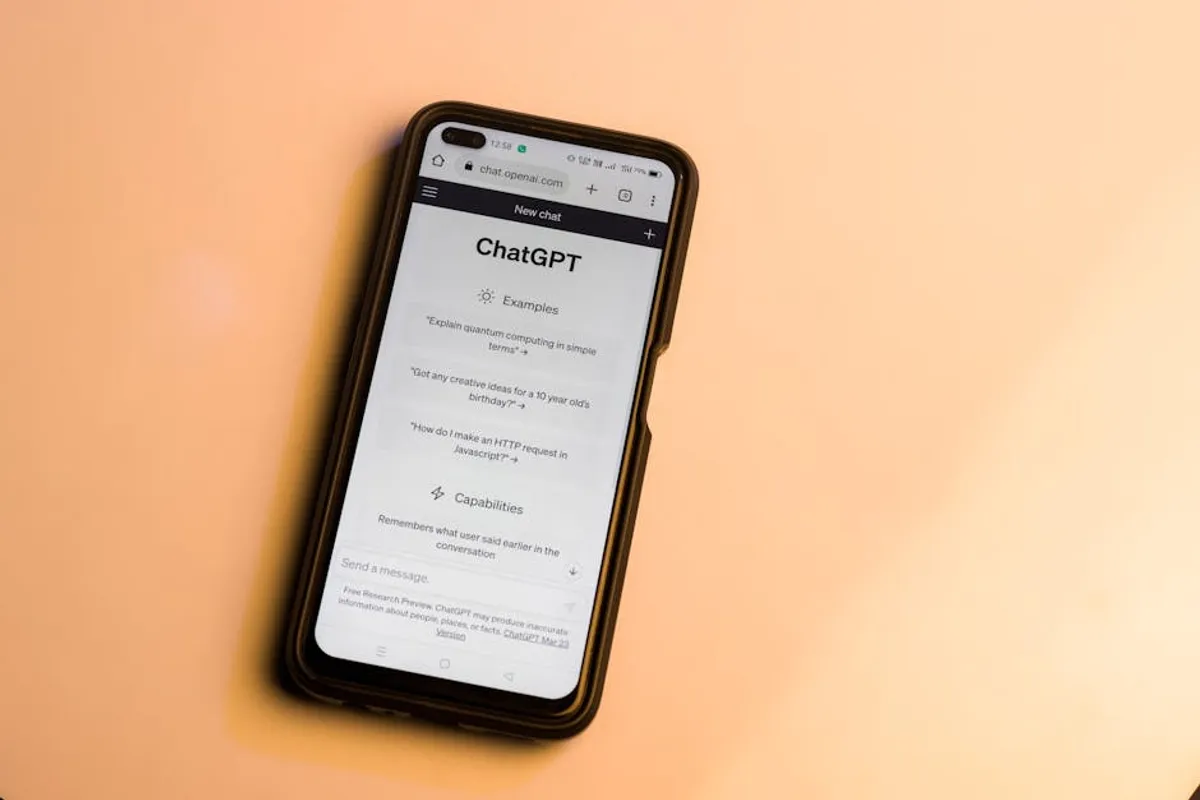
The increasing integration of AI chat applications into daily workflows and personal communications presents a critical dilemma for users and organizations: balancing functionality with fundamental privacy and safety. While the appeal of instant, intelligent assistance is clear, the underlying data handling practices and content moderation capabilities of these tools are often opaque. Adopting any private AI chat app requires a rigorous due diligence process, moving beyond superficial feature lists to scrutinize how user data is managed, protected, and what safeguards are in place to prevent misuse or harmful outputs. This evaluation is not merely a technical exercise but a strategic decision impacting data governance, compliance, and user trust. Understanding the underlying mechanisms is key, so consider reading up on how these apps work.
Defining Data Privacy in AI Chat Applications
Understanding "privacy" in the context of AI chat extends beyond basic confidentiality. It encompasses the entire lifecycle of user interactions and associated data, from initial input to long-term storage and model training. A truly private AI chat application adheres to strict data minimization principles, only collecting what is absolutely necessary for its function. Familiarizing yourself with the core concepts of private AI chat applications is a necessary first step for any user.
Data Collection and Retention Policies
Examine the application's explicit policies regarding data collection. This includes not just the conversational text, but also metadata such as IP addresses, device information, usage patterns, and interaction timestamps. Crucially, assess the data retention period. Many services claim temporary storage, but the specifics of "temporary" vary widely. Look for clear statements on automated deletion schedules, user-initiated data removal options, and whether data is anonymized or pseudonymized before archival. Companies should provide transparent documentation detailing their compliance with relevant data protection regulations like GDPR, CCPA, or HIPAA, especially if processing sensitive personal or health information.
Encryption Standards and Data Security
Robust encryption is non-negotiable for data in transit and at rest. Verify that the application employs industry-standard encryption protocols, such as TLS 1.2 or higher for data in transit (between your device and their servers) and AES-256 for data at rest (on their servers). Beyond encryption, investigate the broader security architecture: access controls, intrusion detection systems, regular security audits, and penetration testing. A strong security posture includes multi-factor authentication (MFA) for user accounts and secure development lifecycle practices to minimize vulnerabilities in the application code itself.
Anonymization and User Identification
True anonymization means data cannot be linked back to an individual user, even indirectly. Pseudonymization, while a step towards privacy, still allows for re-identification if additional information is combined. For private AI chat, inquire whether conversational data is used to train or improve the underlying AI models. If so, confirm whether this data is aggregated, anonymized, and stripped of personally identifiable information (PII) before being fed into training pipelines. Opt-out mechanisms for data usage in model training are a key indicator of user-centric privacy.
Evaluating Content Safety Mechanisms
Beyond privacy, the safety of an AI chat application involves its ability to prevent the generation or dissemination of harmful, biased, or inappropriate content. This is particularly relevant for applications used in professional or educational settings where content integrity and ethical AI are paramount.
Moderation Capabilities and Guidelines
Review the application's content moderation framework. This includes automated filters for hate speech, violence, explicit content, and misinformation, as well as human oversight processes. Understand the transparency around these moderation guidelines: are they publicly available? Do they align with your organizational values or personal standards? Effective moderation also involves user reporting features and a clear process for reviewing and acting upon reported content. Look for applications that regularly update their moderation models to address emerging threats and evolving definitions of harmful content.
Bias Mitigation and Ethical AI Principles
AI models can inherit and amplify biases present in their training data. A responsible AI chat app provider will actively work to identify and mitigate these biases. Inquire about their ethical AI principles, bias detection tools, and continuous efforts to diversify training data. This includes policies against discrimination, promotion of fairness, and accountability for AI-generated outputs. While complete neutrality is challenging, a commitment to ongoing bias reduction is a strong indicator of a safety-conscious developer.
Preventing Misinformation and Exploitative Content
AI chat applications, especially those with access to vast datasets, can inadvertently or intentionally generate misinformation. Assess the app's mechanisms for fact-checking or flagging potentially false information. Furthermore, scrutinize policies against the generation of content that could be used for phishing, scams, or other exploitative activities. This often involves specific filters for financial fraud, impersonation attempts, and prompts that could facilitate illegal activities. The application should have a clear stance on not assisting in the creation or distribution of such content.
Essential Due Diligence for AI Chat Adoption
Before integrating any private AI chat app, a structured evaluation is indispensable. This checklist covers the critical points for a comprehensive assessment:
- Data Ownership and Licensing: Confirm who retains ownership of the data you input and if the vendor claims any perpetual licenses to use your content.
- Third-Party Data Sharing: Explicitly check if data is shared with third parties for analytics, advertising, or model training. If so, understand the scope and opt-out options.
- Data Location and Jurisdiction: Identify where your data will be stored geographically and which legal jurisdiction's data protection laws apply.
- Security Certifications: Look for certifications like ISO 27001, SOC 2 Type 2, or equivalent, indicating adherence to recognized security management standards.
- Incident Response Plan: Request details on the vendor's data breach notification and incident response procedures.
- Terms of Service and Privacy Policy Clarity: Evaluate if these documents are written in clear, unambiguous language, avoiding legal jargon that obscures critical details.
- User Control Features: Assess options for users to delete their chat history, export their data, and manage privacy settings.
- Content Policy Enforcement: Understand the mechanisms for reporting inappropriate content and the vendor's response process.
- API Security (if applicable): If using an API, review documentation for rate limiting, authentication, and authorization protocols.
Pro Tip: Always review the full Terms of Service and Privacy Policy documents, not just summary statements. Pay close attention to clauses regarding data ownership, data usage for model training, and third-party data sharing. These details often contain the most critical information about how your data will be handled.
Establishing a Secure AI Chat Framework
Implementing a private AI chat application successfully involves more than just selecting the right tool; it requires establishing an internal framework for its use. This framework should include clear internal guidelines for employees on what kind of information can be shared with the AI, especially sensitive or proprietary data. Regular training sessions can educate users on privacy best practices and the specific limitations of the chosen application. Continuous monitoring of the application's updates, privacy policy changes, and security advisories is also crucial. Treat AI chat integration as an ongoing process that requires periodic reassessment and adaptation to evolving technological landscapes and regulatory requirements.
Frequently Asked Questions
Can AI chat truly be private?
While no system is 100% impervious, AI chat applications can achieve a high degree of privacy through strong encryption, strict data minimization, robust access controls, and transparent policies that give users control over their data. The key is to choose providers committed to these principles.
What's the difference between privacy and security in AI chat?
Security refers to the measures protecting data from unauthorized access or breaches (e.g., encryption, firewalls). Privacy refers to how personal data is collected, used, shared, and retained, ensuring it aligns with user expectations and regulations. They are related but distinct concepts.
How often should I review an app's privacy policy?
It's advisable to review privacy policies at least annually, or whenever there's a significant update to the application, a change in its ownership, or new data protection regulations are introduced. Providers typically notify users of major policy changes.
Are open-source AI chat apps inherently safer?
Open-source apps can offer transparency because their code is publicly viewable, allowing for community scrutiny of security vulnerabilities and data handling. However, "open source" does not automatically equate to "safer." Proper implementation, regular audits, and active community maintenance are still critical for security and privacy.