
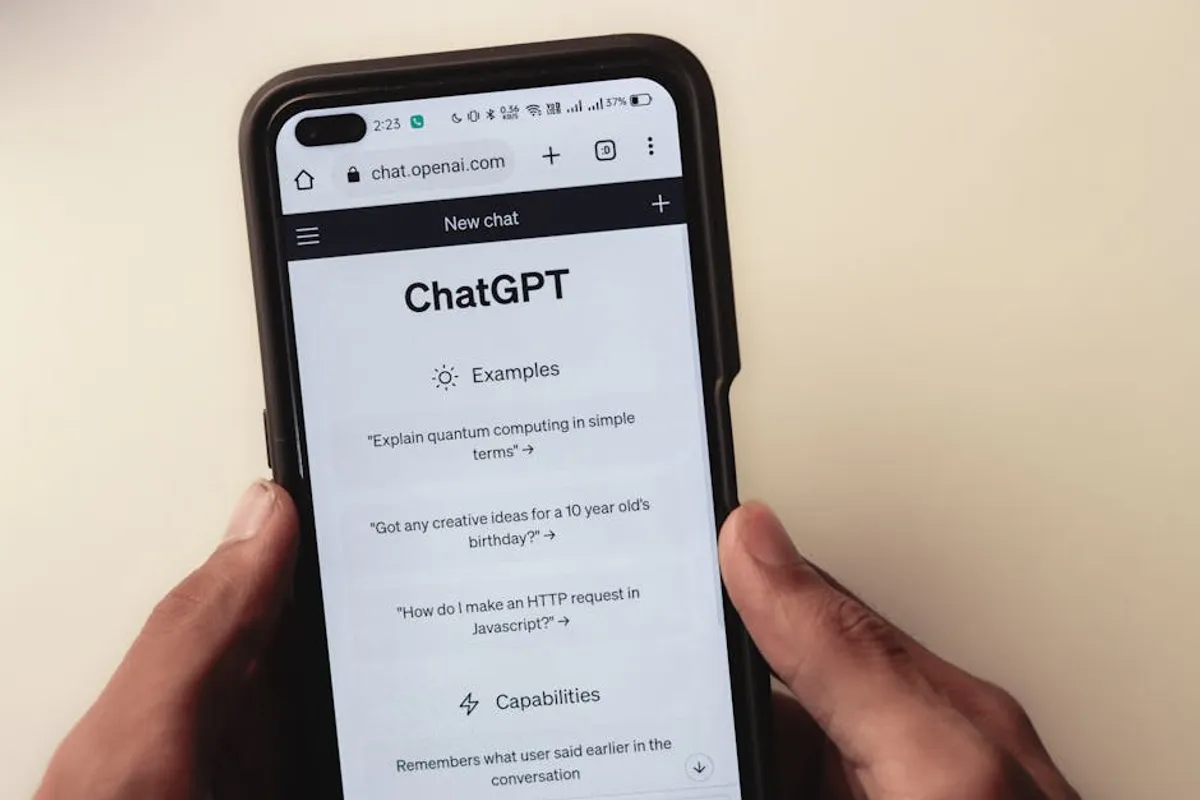
The proliferation of AI chat applications has brought immense utility, but it has also raised critical questions about data privacy and confidentiality. For individuals and businesses handling sensitive information, the default public AI models present inherent risks, as user inputs often contribute to ongoing model training and data aggregation. This process, while improving the AI's general capabilities, means that confidential discussions, proprietary data, or personal details entered into these systems are no longer truly private. Understanding this distinction is the first step toward making an informed choice for your digital interactions.
Private AI chat apps emerge as a solution specifically designed to address these concerns. They prioritize user data isolation and security, offering environments where conversations are not harvested for public model improvement, nor are they exposed to third parties. This guide explores the foundational aspects of private AI chat, detailing its operational principles, key benefits, and practical applications for maintaining digital confidentiality.
Understanding Private AI Chat Apps
A private AI chat app differentiates itself primarily through its approach to data handling and security. Unlike widely used public AI models that often leverage user interactions to refine their algorithms, private alternatives are engineered to keep your data segregated and protected. This distinction is crucial for anyone whose digital communications involve sensitive or proprietary information.
The core tenet of privacy in these applications revolves around preventing your inputs from becoming part of a larger, publicly accessible dataset or being used to train the AI model for other users. This can be achieved through several mechanisms, including on-device processing, secure cloud architectures that isolate individual user data, or stringent no-data-retention policies. The objective is always to ensure that your conversations remain exclusively yours, without contributing to a shared knowledge base that could inadvertently expose confidential details.
Key Privacy Features to Look For
When evaluating private AI chat apps, specific features indicate a robust commitment to data security and user confidentiality. These elements form the bedrock of a truly private AI experience:
- On-Device Processing: This means the AI model runs directly on your local hardware (computer, phone) rather than sending data to external servers. This minimizes data transmission risks and ensures your information never leaves your device.
- End-to-End Encryption: For apps that do utilize cloud infrastructure, end-to-end encryption ensures that only the sender and intended recipient can read messages. Data is encrypted at the source and decrypted only at the destination, rendering it unreadable to intermediaries.
- No Data Retention Policies: A clear policy stating that user conversations are not stored long-term, or are immediately purged after processing, is a strong indicator of privacy. This prevents historical data from being compromised in future breaches.
- Open-Source Codebase: For technically inclined users, open-source private AI apps allow for community scrutiny and auditing of the code. This transparency helps verify that no hidden data collection or insecure practices are embedded within the application.
- Self-Hosting Capabilities: Some advanced private AI solutions allow users or organizations to host the AI model on their own servers. This provides the highest level of control over data, infrastructure, and security protocols, as all processing and storage occur within a controlled environment.
Core Benefits of Using Private AI Chat
Opting for a private AI chat application offers distinct advantages, particularly for users with elevated security and confidentiality requirements.
Data Security: The primary benefit is the enhanced protection of sensitive data. Whether it's personal health information, financial records, or proprietary business strategies, private AI apps are designed to keep this information isolated from public access and unauthorized use. This reduces the risk of data breaches and ensures that your confidential inputs do not inadvertently become part of a public knowledge base.
Confidentiality: Beyond raw security, private AI ensures that the content of your conversations remains confidential. This is crucial for professionals who discuss privileged information, or for individuals who prefer their personal thoughts and inquiries to remain entirely private. The design intent is to prevent any form of surveillance or data harvesting that could compromise user trust.
Compliance: For many industries, regulatory compliance (such as GDPR, HIPAA, or CCPA) dictates strict handling of personal and sensitive data. Private AI chat apps, especially those offering self-hosting or certified secure cloud environments, can be instrumental in meeting these legal and ethical obligations by providing a controlled processing environment.
Customization & Control: Often, private AI solutions provide greater opportunities for customization. This can include fine-tuning models with private datasets without exposing that data externally, or integrating the AI into existing secure enterprise systems. This level of control ensures that the AI functions precisely within the user's defined security parameters.
Practical Use Cases for Private AI Chat Apps
The applications for private AI chat extend across various domains where confidentiality is paramount.
Personal Information Management: For individuals, private AI can serve as a secure digital assistant for sensitive tasks. This includes drafting personal journals, organizing financial documents, or composing private communications without concern that the content will be analyzed or stored externally. It provides a digital space for introspection and planning that is truly isolated.
Professional & Business Applications: Enterprises leverage private AI to manage internal communications, brainstorm confidential projects, or draft sensitive documents. Legal teams can use it for preliminary research or document generation without risking client privilege. Healthcare providers can process patient data for administrative tasks within a compliant, secure environment. It supports decision-making and creative processes where data leakage could have significant commercial or legal repercussions.
Learning & Development: Students and professionals can engage with private AI for personalized learning. This includes exploring complex topics, practicing language skills, or developing new competencies without their learning patterns or specific queries being logged or used to influence future content delivery based on a public profile. It fosters an unbiased and secure learning environment.
Example Scenario: Legal Professional
Pro Tip: When dealing with client privilege or proprietary corporate data, the default assumption should always be that any public AI model will incorporate your input into its training data. Private AI apps mitigate this risk by design, offering a controlled environment for sensitive queries and document drafting where data isolation is guaranteed.
Choosing the Right Private AI Chat App
Selecting the appropriate private AI chat app requires a clear understanding of your specific needs and risk tolerance. Start by assessing the sensitivity of the data you intend to process. For highly confidential information, prioritize apps offering on-device processing or robust self-hosting options. For less critical but still private data, secure cloud-based solutions with strong encryption and clear data retention policies may suffice.
Consider the app's ease of integration with your existing workflows and systems. A private AI solution should enhance productivity without introducing significant friction. Transparency in data policies and clear documentation of security audits are non-negotiable. Finally, understand that while private models excel in security, they might sometimes have smaller underlying model capabilities compared to the largest public models, which benefit from vast, aggregated datasets. Evaluate whether the model's performance meets your functional requirements while upholding your privacy standards.
Securing Your Digital Conversations
The landscape of AI-driven communication is rapidly evolving, and with it, the imperative to protect personal and proprietary information. Private AI chat apps represent a critical advancement in this regard, offering a deliberate choice for users who prioritize data security and confidentiality above all else. By understanding the mechanisms that ensure privacy—such as on-device processing, end-to-end encryption, and stringent data policies—you can make informed decisions about which tools best serve your needs. The goal is to leverage the power of AI without compromising the integrity or privacy of your digital interactions, ensuring that your conversations remain yours alone.
Frequently Asked Questions
What makes an AI chat app "private"?
An AI chat app is considered "private" if it is designed to prevent user inputs and conversations from being stored, used for public model training, or accessed by unauthorized third parties. Key features include on-device processing, end-to-end encryption, and strict no-data-retention policies.
Are private AI apps as powerful as public ones?
The power of an AI app depends on its underlying model. While some private AI models, especially those running locally, might have fewer parameters or less diverse training data than the largest public models, their strength lies in their security and data isolation. Many private solutions offer sufficient capabilities for specific, sensitive tasks.
Can I use a private AI app for business?
Yes, private AI apps are particularly well-suited for business use, especially in industries handling sensitive client data, proprietary information, or regulated communications. They help maintain confidentiality and support compliance with data protection regulations by providing a secure environment for AI interactions.
What are the main trade-offs of using a private AI app?
The primary trade-offs can include potentially higher setup complexity (e.g., for self-hosted solutions), a narrower range of general knowledge or capabilities compared to vast public models, and sometimes a cost associated with specialized secure infrastructure or licensing. However, these are often outweighed by the benefits of enhanced security and control.