
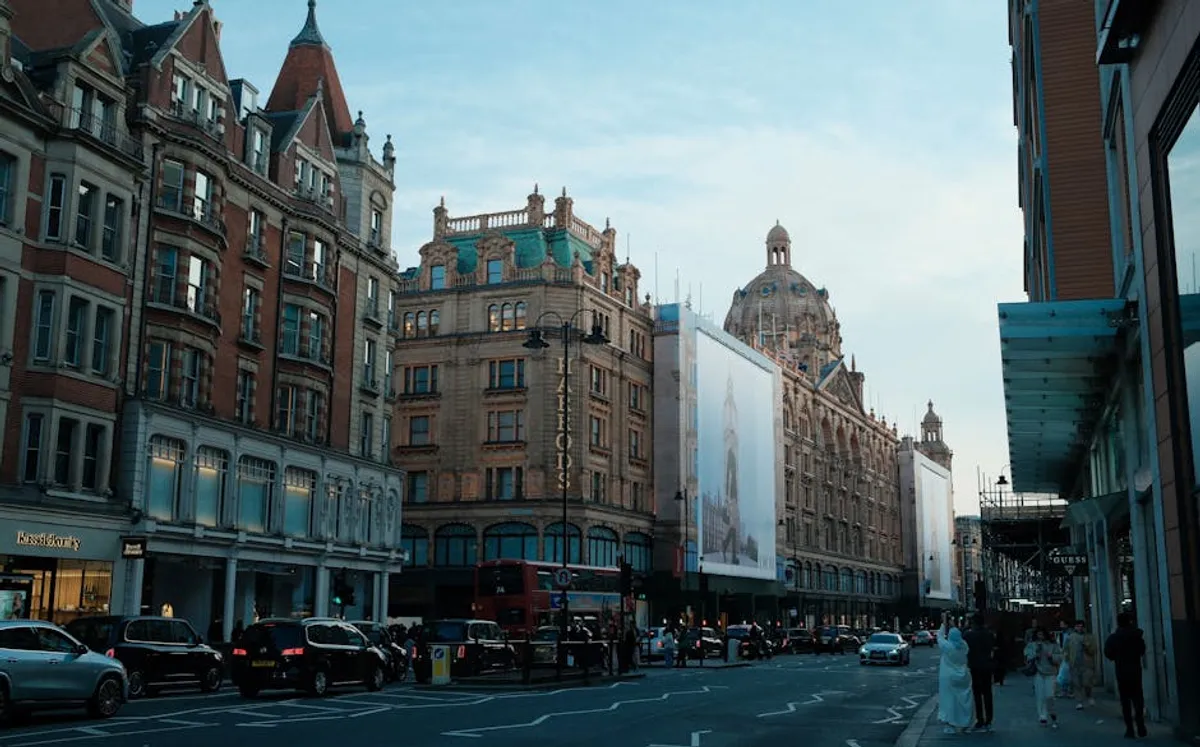
The search presence surrounding Mayfair London, an iconic and affluent district, offers a distinct lens into high-value geographic and lifestyle content. Analyzing a website's organic traffic profile for this locale reveals how publishers capture intent related to luxury travel, real estate, lifestyle, and cultural experiences. Understanding the content categories and keyword clusters associated with Mayfair London is crucial for any entity aiming to establish or expand its digital footprint in this niche, indicating not just visitor volume but also potential commercial value derived from a discerning audience.
What a Site Covering Mayfair London Appears to Cover
A website focused on Mayfair London typically develops content around several core pillars, reflecting the district's multifaceted appeal. Primary content categories often include detailed guides on luxury shopping, spanning high-end fashion, jewelry, and art galleries located within the area. Culinary content forms another significant cluster, with articles reviewing Michelin-starred restaurants, exclusive bars, and fine dining experiences. Real estate is a persistent theme, covering property trends, historical residences, and investment opportunities within Mayfair. Beyond commerce, cultural and historical narratives are common, detailing the district's heritage, famous residents, and architectural landmarks. Event listings and seasonal activities, such as art fairs, fashion weeks, or festive celebrations, also contribute to a dynamic content offering. The depth of these articles often extends to specific street guides (e.g., Bond Street, Savile Row), historical anecdotes, and profiles of key establishments, providing a comprehensive resource for visitors and residents alike.
Where Its Search Traffic May Come From
Organic search traffic for a Mayfair London-centric website typically originates from a mix of informational, navigational, and commercial queries. Informational searches might include "history of Mayfair London," "best museums in Mayfair," or "what to do in Mayfair." Navigational queries are often direct, such as "Burlington Arcade opening hours" or "address of The Ritz London." Commercial intent drives searches like "luxury apartments Mayfair for sale," "fine dining Mayfair reservations," or "boutique hotels Mayfair." A significant portion of traffic also stems from long-tail keywords combining location with specific interests, for instance, "bespoke tailoring Savile Row Mayfair" or "art galleries Cork Street Mayfair." Geographic modifiers are paramount, with users explicitly including "London" or "Mayfair" in their queries, indicating a clear regional focus for their search. International searchers, particularly from high-net-worth demographics, also contribute, often seeking exclusive experiences or investment opportunities.
Search Intent Behind the Subject
The search intent targeting Mayfair London is predominantly high-value and often transactional or deeply research-oriented. Users are frequently seeking specific services, products, or experiences rather than general information. For example, someone searching "Mayfair luxury hotels" is likely in the planning stage of a high-end trip, while "Mayfair property prices" indicates serious real estate interest. There is also a strong segment of users with aspirational intent, researching luxury lifestyles and experiences even if not immediately transactional. This segment appreciates detailed, visually rich content that paints a picture of exclusivity and sophistication. Content addressing "safety in Mayfair" caters to practical concerns for visitors or potential residents, seeking reassurance or specific guidance. Queries around "alternatives to Mayfair" suggest a comparative intent, where users are evaluating similar high-end districts or seeking variations on the luxury experience, presenting an opportunity for comparison content.
Why Traffic May Rise or Fall
Organic traffic for a Mayfair London-focused website is susceptible to several factors. Seasonal tourism trends significantly impact queries related to attractions, dining, and accommodation, with peaks during holiday periods and major events. Economic shifts, particularly those affecting luxury spending or international travel, can influence commercial queries for real estate, high-end retail, and hospitality. Local developments, such as new luxury retail openings, restaurant launches, or significant property transactions, can generate temporary spikes in interest. Algorithmic updates from search engines that prioritize local search results, user experience, or content authority can also cause fluctuations. Furthermore, a site's traffic can be sensitive to geopolitical events or travel advisories that impact international visitor numbers to London. Consistency in content quality, topical relevance, and technical SEO health are critical for maintaining stable visibility against these external variables.
How the Site Could Improve Organic Visibility
To enhance organic visibility for Mayfair London-related content, a site could focus on several strategic areas. Developing comprehensive, authoritative pillar pages for broad topics like "Mayfair luxury shopping" or "Mayfair history" and linking to more specific cluster content would strengthen topical authority. Implementing schema markup for local businesses, events, and reviews would improve rich snippet eligibility, increasing click-through rates. Creating highly localized content, such as "best coffee shops for remote work in Mayfair" or "hidden courtyards of Mayfair," targets niche long-tail keywords. Visual content optimization, including high-quality images and video, is crucial given the aesthetic appeal of the district. Regularly updating content to reflect current events, new openings, and market trends ensures freshness and relevance. Building an internal linking structure that connects related articles and guides would also help distribute page authority and improve user navigation.
What to Check Before Trusting Traffic Estimates
Before relying on third-party traffic estimates for any website covering Mayfair London, it is essential to consider their inherent limitations. These tools often derive data from clickstream panels and algorithmic models, which may not fully capture the nuances of niche, high-value audiences or specific geographic search patterns. Discrepancies can arise from varying keyword databases, different methodologies for estimating search volume, and incomplete data sets for long-tail or highly specific queries. Factors like brand recognition, direct traffic, and referral traffic are frequently underrepresented in these estimates. A site's actual organic performance, particularly for a localized and high-intent topic like Mayfair London, is best gauged through direct analytics data, such as Google Search Console and internal web analytics platforms, which provide precise impression, click, and conversion metrics.
FAQs
What types of businesses are typically found in Mayfair London?
Mayfair London is characterized by high-end retail, luxury hotels, fine dining restaurants, private members' clubs, art galleries, and exclusive residential properties. Professional services, including wealth management and legal firms, also maintain a significant presence. How does Mayfair London compare to other luxury districts in London?
Mayfair is often compared with areas like Knightsbridge and Belgravia. While all are affluent, Mayfair is distinguished by its concentration of art galleries, auction houses, and historical architecture, alongside its retail and dining scene. What are the primary attractions for visitors in Mayfair London?
Key attractions include Bond Street for luxury shopping, Burlington Arcade, Savile Row for bespoke tailoring, and numerous art galleries on Cork Street. Grosvenor Square and Berkeley Square are also notable landmarks. Is Mayfair London a residential area?
Yes, Mayfair London is a prominent residential area, offering some of the most exclusive and expensive properties in the city, ranging from historical townhouses to modern luxury apartments.