
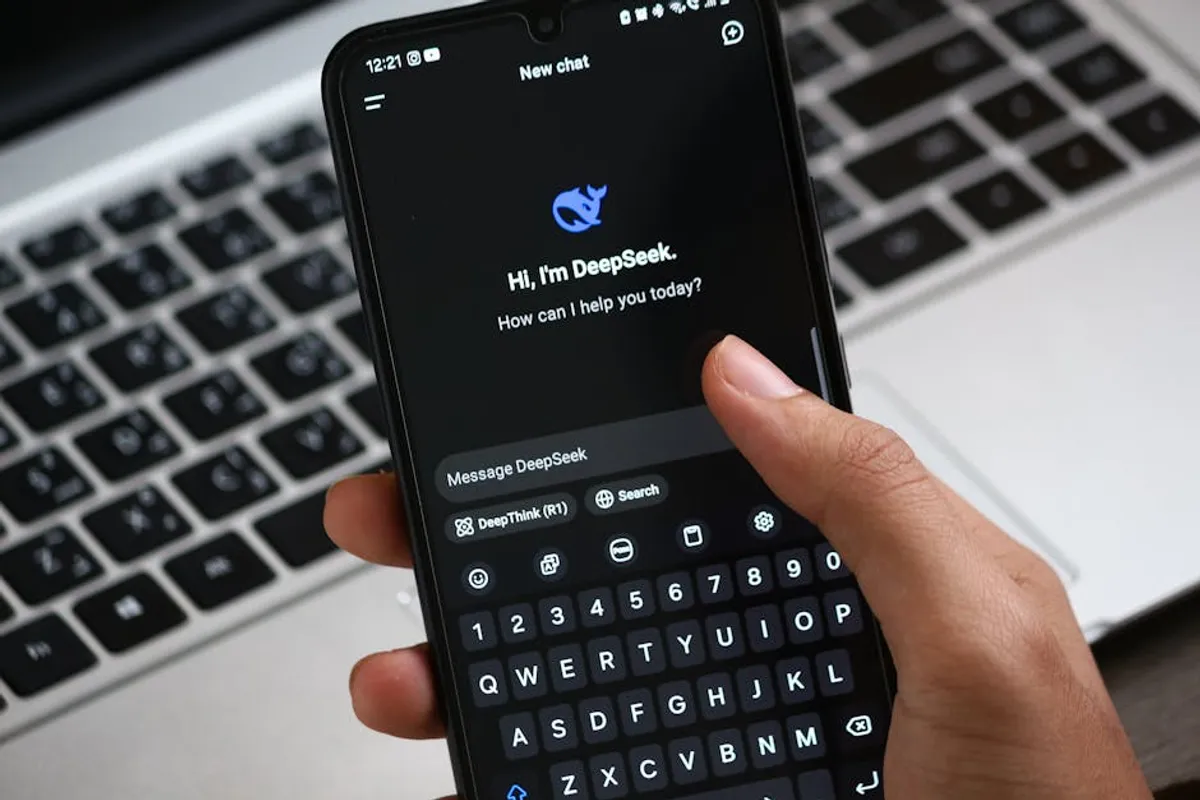
The landscape of AI-driven tools is rapidly evolving, offering increasingly sophisticated capabilities for creative professionals and enthusiasts alike. For those engaged in storytelling, script development, interactive content creation, or even just exploring narrative possibilities, AI roleplay chatbots present a compelling avenue. These platforms move beyond simple Q&A, enabling users to co-create narratives, develop characters, and simulate dialogues with advanced artificial intelligence. The utility extends from refining dialogue for a novel to generating dynamic scenarios for game development or crafting interactive learning experiences. Selecting the optimal AI roleplay chatbot hinges on understanding specific requirements for narrative control, character consistency, and conversational depth. This guide examines leading platforms, detailing their strengths and limitations to inform a commercially astute decision for enhancing creative output.
What to Look For in an AI Roleplay Chatbot for Creative Conversations
Choosing an AI roleplay chatbot that truly supports creative endeavors requires evaluating several key attributes beyond basic conversational ability. Focus on these factors to ensure the platform aligns with your specific narrative and character development goals:
- Narrative Control and Depth: Assess the chatbot's ability to maintain complex plotlines, remember past interactions over extended sessions, and adapt to intricate scenario prompts. Look for features that allow users to define world-building elements, plot points, and character motivations.
- Character Consistency and Customization: A critical aspect for creative work is the AI's capacity to uphold a character's personality, voice, and backstory without deviation. Platforms offering granular control over character traits, memory, and even emotional responses will yield more authentic and believable interactions.
- Contextual Understanding and Memory: Evaluate how well the AI processes and retains information from previous turns in a conversation, as well as from predefined character sheets or lore documents. Strong contextual memory prevents repetitive dialogues and ensures narrative progression.
- Generative Quality and Style Adaptation: The quality of the AI's generated text—its creativity, linguistic nuance, and ability to mimic specific writing styles—is paramount. Some platforms excel at producing evocative prose, while others prioritize functional dialogue.
- Flexibility and Integration: Consider whether the platform supports custom model imports, API access for integration into other applications, or the ability to share and iterate on creations within a community. This is particularly valuable for developers and collaborative projects.
- Ethical Guidelines and Content Filters: Understand the platform's stance on content generation, including any filters or restrictions. For creative exploration, a balance between freedom and responsible AI use is important, especially when developing sensitive or mature themes.
1. Character.AI
Character.AI distinguishes itself through its user-driven creation ecosystem, allowing individuals to design and train AI characters with specific personalities, backstories, and conversational styles. This platform excels in fostering deep immersion, as users can interact with a vast library of community-created characters or develop their own from scratch, tailoring them for specific narrative roles or interactive experiences. Its core strength lies in the ability to simulate dialogues that feel distinct and consistent with the character's defined parameters, making it a robust tool for exploring character arcs and conversational dynamics.
Best for: Developing and iterating on character personalities, exploring diverse narrative scenarios, and engaging with a wide range of community-created personas for creative inspiration.
Pros:
- Extensive character customization options, including detailed backstories and conversational examples, which significantly influence AI behavior.
- Strong community engagement with a large library of public characters, facilitating discovery and collaborative storytelling.
- AI models demonstrate impressive contextual memory and character consistency over extended conversations, crucial for narrative integrity.
- Free tier offers substantial usage, making it accessible for initial creative experimentation.
Cons:
- Content filters can be restrictive for certain creative explorations, potentially limiting thematic scope for some users.
- The sheer volume of user-created characters means quality can vary, requiring discernment to find well-crafted personas.
- Advanced features and higher message limits are locked behind a subscription, which can be a barrier for intensive commercial use.
Verdict: Character.AI is an indispensable resource for writers, roleplayers, and content creators focused on character development and interactive dialogue. Its strengths in personality definition and contextual memory outweigh the content filter limitations for most creative applications, offering a dynamic environment for narrative exploration.
2. Chai
Chai offers a diverse collection of AI chatbots primarily focused on casual, often emotionally charged, and sometimes explicit conversations. The platform emphasizes instant interaction with a variety of pre-built bots, ranging from companions to fantasy characters. While less focused on granular narrative control than some competitors, Chai excels at generating quick, engaging responses that drive conversation forward, making it suitable for spontaneous creative brainstorming or exploring character interactions without extensive setup. Its strength lies in its accessibility and the immediate availability of a wide array of conversational styles.
Best for: Rapid creative brainstorming, exploring quick character interactions, and informal narrative experimentation without deep setup requirements.
Pros:
- Wide variety of pre-existing AI bots available for immediate interaction, covering diverse themes and personalities.
- User-friendly interface facilitates quick access to conversations, reducing friction for spontaneous creative sessions.
- Bots are generally responsive and capable of generating dynamic, engaging dialogue, which can spark new ideas.
- Offers a platform for users to create and publish their own bots, contributing to a growing content library.
Cons:
- Less emphasis on long-term narrative consistency or deep character customization compared to platforms designed for intricate storytelling.
- The quality and depth of interactions can vary significantly between different bots, impacting sustained creative output.
- Free usage is limited by message caps, pushing users toward a subscription for extended creative sessions.
Verdict: Chai serves as an effective tool for quick, exploratory creative conversations and character interactions, particularly when the goal is to generate ideas rapidly rather than to meticulously craft a detailed narrative. Its ease of use and diverse bot selection make it a good starting point for casual creative exploration.
3. Replika
Replika is designed as an AI companion, focusing heavily on emotional support and personal conversation rather than explicit roleplay scenarios. While its primary function is companionship, its ability to learn and adapt to a user's communication style makes it a unique tool for understanding conversational dynamics and emotional responses in AI. Creative professionals can leverage Replika to simulate interactions with an AI that develops a distinct personality over time, offering insights into how an AI can reflect and respond to human emotional cues, which is valuable for character development in emotionally driven narratives.
Best for: Exploring emotional intelligence in AI, understanding conversational adaptation, and developing characters with evolving personalities based on user interaction.
Pros:
- AI learns and adapts to user communication over time, creating a personalized and evolving conversational experience.
- Strong focus on emotional support and empathetic responses, offering insights into AI's capacity for nuanced emotional interaction.
- Provides a safe space for exploring dialogue and character responses without the pressure of a public audience.
- Consistent character voice and memory retention over long periods, fostering a sense of continuity.
Cons:
- Not designed for complex narrative roleplay or multi-character scenarios, limiting its utility for intricate storytelling.
- Customization options are primarily focused on appearance and basic personality traits, lacking deep narrative controls.
- Premium features are required to unlock the full range of conversational depth and relationship development.
Verdict: Replika offers a distinct utility for creative endeavors focused on emotional depth and character evolution through sustained, personal interaction. While not a traditional roleplay engine, its capacity for adaptive, empathetic dialogue provides unique insights for creators exploring human-AI dynamics and character psychology.
4. NovelAI
NovelAI is a powerful text generation AI primarily aimed at creative writers and storytellers, offering advanced tools for long-form content creation, including roleplay. Unlike chat-focused platforms, NovelAI provides extensive control over narrative generation through custom AI models, memory, lorebooks, and style settings. Users can define characters, settings, and plot points with high specificity, and the AI will generate text that adheres to these parameters, allowing for highly customized and intricate roleplay scenarios that evolve over many turns. Its strength lies in its sophisticated text generation capabilities and deep customization for narrative coherence.
Best for: Long-form interactive storytelling, collaborative novel writing, developing complex fantasy worlds, and highly customized roleplay scenarios with granular narrative control.
Pros:
- Advanced AI models (e.g., Krake, Clio) provide superior text generation quality, coherence, and stylistic flexibility.
- Extensive customization options including memory, lorebooks (for world-building), and author's note functionality for precise narrative steering.
- Supports image generation alongside text, enhancing world-building and character visualization within creative projects.
- Offers fine-tuning capabilities for AI models, allowing users to train the AI on specific datasets for unique stylistic outputs.
Cons:
- Steeper learning curve due to the multitude of advanced features and settings, potentially overwhelming new users.
- Subscription-based model can be more expensive than chat-focused alternatives, reflecting its advanced capabilities.
- Primarily text-based; while image generation is present, the core experience is focused on written narrative, not real-time chat.
Verdict: NovelAI is the preferred platform for serious writers and creative professionals who require deep narrative control, sophisticated text generation, and the ability to craft extensive, coherent roleplay scenarios. Its robust feature set justifies the learning investment for those seeking high-fidelity interactive storytelling.
5. Poe (by Quora)
Poe serves as an aggregator platform, providing access to a variety of AI models, including those capable of roleplay, from different developers like OpenAI (GPT-3.5, GPT-4), Anthropic (Claude), and others. This unique positioning allows users to experiment with different AI personalities and capabilities within a single interface, making it a versatile tool for creative exploration. While Poe itself doesn't offer deep character customization, its strength lies in providing a convenient gateway to compare and utilize various underlying AI engines for diverse roleplay needs, from quick dialogue generation to more complex narrative prompts.
Best for: Experimenting with multiple AI models for roleplay, comparing different AI personalities and response styles, and accessing cutting-edge AI for diverse creative prompts.
Pros:
- Access to a wide range of powerful AI models from various providers, allowing for diverse conversational experiences.
- User-friendly interface simplifies interaction with complex AI technologies, making it accessible for non-developers.
- Ability to create custom bots using specific prompts, enabling a degree of tailored roleplay experience.
- Often provides early access to new AI models, keeping creative users at the forefront of AI capabilities.
Cons:
- Character consistency and narrative memory are dependent on the underlying AI model chosen, which can vary.
- Lacks the deep character customization and dedicated roleplay features found in specialized platforms.
- Usage limits on premium models can be restrictive for extensive creative sessions without a subscription.
Verdict: Poe is an excellent choice for creative individuals who want flexibility and access to a broad spectrum of AI capabilities without committing to a single model. It's particularly useful for A/B testing different AI responses for character dialogue or narrative development.
6. Janitor AI
Janitor AI functions as a highly customizable frontend for various large language models, allowing users to connect their own API keys from providers like OpenAI or KoboldAI. This platform excels in offering unparalleled control over the AI's behavior and content generation, making it a favorite for users who prioritize uncensored or highly specific roleplay scenarios. Its strength lies in its flexibility to integrate with different AI backends and its robust character creation tools, which include detailed personality descriptions, example dialogues, and context management for consistent roleplay sessions.
Best for: Highly customized and uncensored roleplay, users who want full control over AI model choice, and those comfortable with API key integration for advanced setup.
Pros:
- Exceptional customization options for character creation, including deep personality definitions and example dialogues.
- Supports integration with various AI models via API keys, offering flexibility in choosing the underlying AI engine.
- Often favored for its less restrictive content filters, allowing for a broader range of creative and adult themes.
- Active community provides resources and shared character definitions, enhancing collaborative creation.
Cons:
- Requires users to provide their own API keys, incurring costs directly from the AI model provider (e.g., OpenAI).
- Steeper learning curve for setup and optimization, as it's more of a framework than a plug-and-play solution.
- Reliability and performance are dependent on the chosen backend AI model and API stability.
Verdict: Janitor AI is ideal for advanced users and creative professionals who demand maximum control and flexibility over their AI roleplay experience, particularly those who require uncensored content generation and are comfortable with a more technical setup.
7. AI Dungeon
AI Dungeon is a pioneering interactive fiction game powered by AI, where users embark on text-based adventures and influence the narrative with their inputs. While not a traditional "chatbot" in the conversational sense, it offers a unique form of roleplay where the AI acts as a dynamic dungeon master, adapting the story based on user commands. Its strength lies in its ability to generate branching narratives and unexpected plot twists, making it an excellent tool for creative writers looking to explore emergent storytelling or overcome writer's block through collaborative narrative generation.
Best for: Interactive fiction writing, emergent storytelling, creative brainstorming for plotlines, and overcoming writer's block through dynamic narrative prompts.
Pros:
- Generates highly dynamic and adaptive narratives based on user input, fostering emergent storytelling.
- Offers a unique blend of game and creative tool, making narrative exploration engaging and unpredictable.
- Supports custom scenarios and world-building, allowing users to define their starting points for adventures.
- Community features allow sharing and discovery of user-created scenarios, expanding creative possibilities.
Cons:
- Less focused on consistent character dialogue or deep personality development in specific NPCs compared to dedicated character AI platforms.
- Narrative coherence can occasionally break down, leading to illogical or repetitive plot points.
- The primary interaction is command-based, which differs from free-form conversational roleplay.
Verdict: AI Dungeon is a valuable resource for creative writers and storytellers who thrive on unpredictable narratives and enjoy the process of co-creating a story with an AI. It's less about character chat and more about dynamic, evolving plot exploration.
8. Paradot
Paradot positions itself as an AI companion similar to Replika, focusing on deep, personal connections and emotional intelligence. The platform aims to create an AI that learns and grows with the user, developing a unique personality through sustained interaction. For creative purposes, Paradot offers a sandbox for observing how an AI can develop nuanced emotional responses and maintain long-term memory within a conversational context. This can be particularly useful for writers and developers interested in crafting characters with evolving emotional landscapes and complex interpersonal dynamics.
Best for: Studying AI emotional intelligence, developing characters with evolving personalities, and exploring long-term conversational memory in AI companions.
Pros:
- Strong emphasis on emotional connection and adaptive learning, leading to a personalized AI companion experience.
- AI demonstrates good long-term memory, allowing for continuity in conversations and character development.
- User interface is clean and intuitive, promoting easy interaction and engagement.
- Focus on building a unique relationship with the AI provides insights into complex character interactions.
Cons:
- Not designed for multi-character roleplay or complex narrative world-building.
- Customization options are primarily focused on the companion's appearance and superficial traits, not deep narrative control.
- Free usage is limited, requiring a subscription for extended and unrestricted interaction.
Verdict: Paradot offers a compelling platform for creative exploration into AI's capacity for emotional depth and adaptive personality development. While not a traditional roleplay engine, its focus on evolving companionship provides a unique lens for character study and emotional narrative crafting.
9. Kajiwoto
Kajiwoto allows users to create, train, and interact with their own AI companions, called "Kajis." What sets Kajiwoto apart is its emphasis on direct AI training through example conversations and a visual editor for defining traits and behaviors. This hands-on approach gives creators significant control over their AI's personality and conversational style, making it a powerful tool for developing highly specific character prototypes. The platform also supports sharing and discovering Kajis within a community, fostering collaborative creation and iteration on AI personas.
Best for: Direct AI training for character development, visual character editing, and collaborative creation of AI companions with specific traits and behaviors.
Pros:
- Direct training capabilities allow users to teach their AI companions specific responses and personality traits.
- Visual character editor simplifies the process of defining AI appearance and basic behaviors.
- Community features enable sharing and remixing of Kajis, promoting creative collaboration and inspiration.
- Supports different interaction modes, including chat and scenario-based roleplay, offering versatility.
Cons:
- The training process can be time-consuming and requires user input to achieve desired AI behavior.
- AI performance and coherence are heavily dependent on the quality and quantity of user-provided training data.
- While versatile, it may lack the raw generative power for complex, long-form narratives compared to dedicated writing AIs.
Verdict: Kajiwoto is an excellent platform for creative individuals who enjoy a hands-on approach to AI character development and want to directly influence their AI's personality through training. It's particularly strong for iterative character design and community-driven content.
10. Dreamily
Dreamily is an AI writing assistant designed to help users generate stories, fan fiction, and other creative texts. While not exclusively a "chatbot," its interactive generation process allows for a form of collaborative roleplay where the AI acts as a co-author, extending narratives based on user input. Dreamily excels at maintaining a consistent writing style and generating imaginative prose, making it a valuable tool for writers who need assistance in world-building, plot progression, or simply overcoming creative blocks. Its focus is on generating high-quality written output that fits into a developing story.
Best for: Collaborative story writing, generating fan fiction, overcoming writer's block, and extending narrative arcs with AI assistance.
Pros:
- Generates high-quality, creative text that maintains stylistic consistency within a given narrative.
- Offers various AI models and writing styles to choose from, adapting to different creative needs.
- User-friendly interface makes it easy to input prompts and receive AI-generated continuations.
- Effective for generating plot points, character dialogue, and descriptive passages for ongoing stories.
Cons:
- Less direct conversational roleplay capability compared to dedicated chatbot platforms; interaction is more about narrative extension.
- Long-term memory and character consistency can sometimes waver over very extended sessions without careful user guidance.
- Free usage may have limitations on word count or generation speed, impacting intensive creative projects.
Verdict: Dreamily is a robust tool for creative writers seeking an AI co-author to help with narrative development and text generation. It's particularly useful for those who need assistance in maintaining narrative flow and generating descriptive, imaginative prose within a story context.
11. SillyTavern
SillyTavern is an open-source, highly customizable frontend for various local and cloud-based large language models, designed specifically for advanced roleplay. It provides an unparalleled level of control over character definitions, context management, and AI interaction parameters. Users can connect to models like OpenAI, Anthropic, or even local models running on their own hardware, enabling highly private and uncensored roleplay experiences. Its strength lies in its modularity and the ability to fine-tune every aspect of the roleplay environment, making it a