
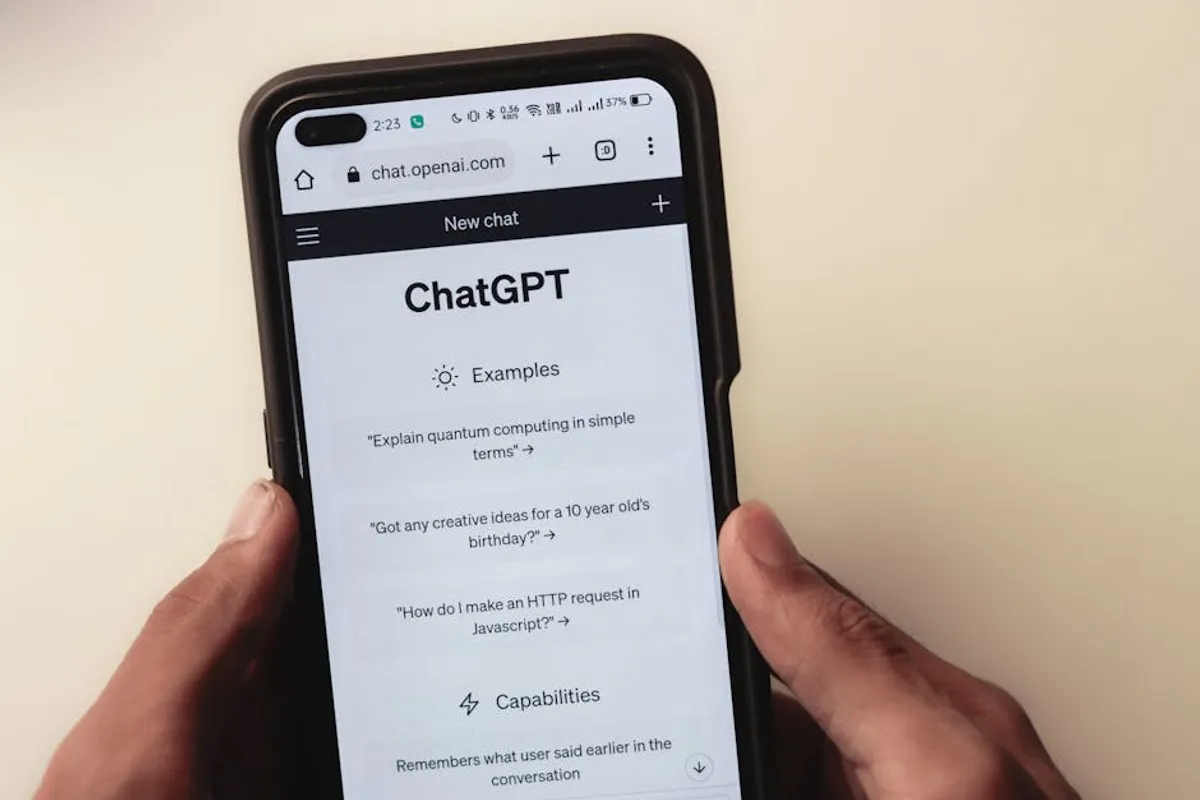
AI roleplay chatbots offer a unique intersection of artificial intelligence and interactive storytelling, providing users with dynamic conversational partners capable of maintaining character, plot, and context. For individuals and businesses exploring these tools, understanding their operational mechanics, inherent limitations, and critical user considerations is paramount. This insight helps set realistic expectations, navigate potential pitfalls, and leverage their capabilities effectively, whether for creative pursuits, entertainment, or specialized training applications. Prioritize platforms with clear data privacy policies and security to ensure your interactions remain safe and confidential.
Core Functionality and User Experience
At their foundation, AI roleplay chatbots utilize advanced natural language processing (NLP) and machine learning models to generate human-like text responses. These models are trained on vast datasets, enabling them to understand prompts, maintain conversational flow, and adopt specific personas or narrative roles. The user experience is defined by several key elements:
- Persona Consistency: The AI maintains a defined character, including their backstory, personality traits, and speech patterns, throughout the interaction. This is crucial for immersive roleplay scenarios.
- Contextual Memory: Chatbots retain elements of past conversations, allowing for continuity in ongoing roleplays. The depth and duration of this memory vary significantly between platforms and underlying models, often limited by a 'context window' of tokens.
- Dynamic Scenario Generation: Users can initiate diverse scenarios, and the AI adapts, introducing plot twists, new characters, or environmental details to progress the narrative. This fosters creative exploration.
- Customization Options: Many platforms allow users to define character parameters, upload reference materials, or set specific narrative constraints, tailoring the experience to individual preferences.
Best for: Engaging in interactive fiction, practicing social scenarios, creative writing assistance, or simply exploring novel conversational dynamics with an AI.
Understanding AI Limitations and Ethical Considerations
While sophisticated, AI roleplay chatbots operate within specific technological boundaries that users must acknowledge. These limitations directly impact the quality and reliability of interactions:
Factual Accuracy and 'Hallucinations'
AI models are predictive text generators, not knowledge databases in the traditional sense. They can produce responses that sound plausible but are factually incorrect or nonsensical, a phenomenon often termed 'hallucination.' Users should not rely on these chatbots for verified information, academic research, or critical decision-making.
Emotional Depth and True Understanding
Despite generating text that mimics emotional expression, AI lacks genuine consciousness, emotions, or subjective experience. Their responses are patterns learned from data, not reflections of internal states. Over-reliance on AI for emotional support or deep psychological insight can lead to unmet expectations and potentially harmful misinterpretations.
Bias Replication
AI models are trained on human-generated data, which inherently contains societal biases. Consequently, chatbots can inadvertently replicate or amplify these biases in their responses, leading to unfair, stereotypical, or inappropriate content. Awareness of this potential is vital for critical engagement.
Repetitive Outputs and 'Loopy' Conversations
Even with advanced models, chatbots can sometimes fall into repetitive conversational loops or offer predictable responses, especially during extended interactions or when novel input is lacking. This can diminish the immersive quality of roleplay.
Data Privacy and Security Protocols
Interacting with AI roleplay chatbots often involves sharing personal preferences, creative ideas, and sometimes sensitive conversational content. Understanding how platforms handle user data is non-negotiable:
Data Collection and Usage
Platforms typically collect chat logs, user settings, and interaction patterns. This data is often used to improve the AI model, personalize user experiences, and troubleshoot issues. Users should review the platform's privacy policy to understand what data is collected, how it's stored, and for what purposes.
Anonymization and Deletion Policies
Reputable platforms implement measures to anonymize data, detaching it from individual user identities, especially when used for model training. Users should verify if platforms offer options for data deletion or account closure, providing control over their digital footprint.
Encryption and Access Controls
Data in transit and at rest should be protected by industry-standard encryption protocols. Additionally, strong access controls within the platform's infrastructure prevent unauthorized access to user data by internal personnel or external threats.
Pro Tip: When engaging with AI roleplay chatbots, avoid sharing highly sensitive personal information, financial details, or confidential data. While platforms aim for security, no system is entirely impervious, and the nature of AI model training means some data, even anonymized, contributes to the model's learning. Treat all interactions with a degree of discretion.
Selecting an AI Roleplay Chatbot Platform
Choosing the right platform involves evaluating several factors beyond basic functionality:
- Customization Depth: Assess how much control users have over character creation, scenario parameters, and narrative direction. Platforms offering extensive editing tools provide greater creative freedom.
- Community and Content Sharing: Some platforms foster communities where users can share characters, scenarios, and tips. This can enhance discovery and provide inspiration.
- Subscription Models: Many platforms offer free tiers with limited features or usage, alongside premium subscriptions for enhanced capabilities, higher usage limits, or access to more advanced AI models. Understand the value proposition for each tier.
- Accessibility and User Interface: Evaluate the platform's ease of use, cross-device compatibility (web, mobile apps), and overall user experience. An intuitive interface reduces friction in creative exploration.
- Developer Transparency: Look for platforms that are open about their AI models, data handling practices, and ongoing development, indicating a commitment to user trust and ethical AI.
Maximizing Your AI Roleplay Experience
To get the most out of AI roleplay chatbots, an informed approach is key. Understand that these are sophisticated tools for creative engagement and simulated interaction, not sentient beings or infallible information sources. Prioritize platforms with clear data privacy policies and robust security. Experiment with different character prompts and scenario settings to discover the AI's capabilities and limitations firsthand. By approaching these interactions with a blend of curiosity and critical awareness, users can unlock the full potential of AI roleplay chatbots for entertainment, learning, and creative expression.
Frequently Asked Questions
Are AI roleplay chatbots truly intelligent?
No, AI roleplay chatbots do not possess true intelligence, consciousness, or self-awareness. They operate by processing vast amounts of text data to recognize patterns and generate contextually relevant responses, simulating human-like conversation and understanding without genuine comprehension.
Can these chatbots remember past conversations?
Yes, most AI roleplay chatbots are designed with a form of contextual memory, allowing them to retain elements from recent interactions and integrate them into subsequent responses. The duration and depth of this memory vary by platform and the underlying AI model's architecture, typically limited to a specific 'context window' of tokens.
Is my personal data safe when using AI roleplay chatbots?
The safety of your personal data depends entirely on the specific platform's privacy policies and security measures. Reputable platforms employ encryption, anonymization techniques, and strict data handling protocols. Users should always review the privacy policy of any platform they use and avoid sharing highly sensitive personal information.
Can I create my own characters and scenarios?
Many AI roleplay chatbot platforms offer extensive customization options, allowing users to define their own characters, personalities, backstories, and initiate unique roleplay scenarios. This level of creative control is often a key feature that enhances the user experience, though the specific tools and depth of customization vary between services.