
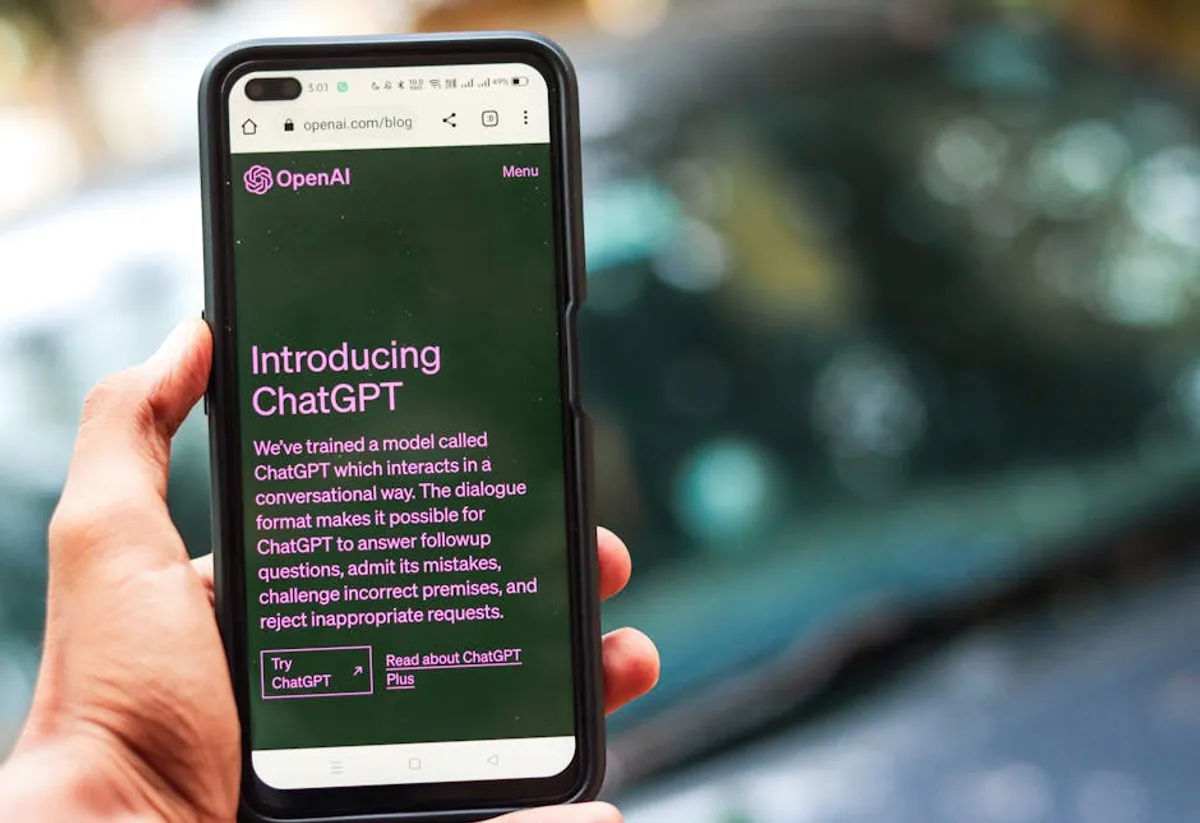
Businesses face a critical decision when designing user interaction: should they invest in a traditional application or integrate an AI chatbot? This choice directly impacts development costs, user experience, and long-term operational efficiency. While both serve as digital touchpoints, their underlying architecture, interaction paradigms, and strategic advantages differ significantly, making one a more suitable fit than the other depending on specific business objectives and user needs. Understanding these distinctions is crucial for optimizing resource allocation and achieving desired customer engagement.
Interaction Paradigm: Rule-Based vs. Conversational
The fundamental difference between traditional applications and AI chatbots lies in their approach to user interaction. This distinction dictates how users engage with the system and the type of tasks they can efficiently complete.
Traditional Apps: Structured and Task-Oriented
Traditional applications, whether native mobile apps or web-based platforms, operate on a graphical user interface (GUI) driven by explicit user actions. They present users with pre-defined menus, buttons, forms, and navigation paths. Users follow a structured flow, making selections and inputting data into specific fields. The system responds based on pre-programmed rules and the user's direct input within the application's defined boundaries.
Best for:
- Specific, repeatable tasks: Online banking transactions, e-commerce purchases, data entry.
- Complex workflows: Project management, graphic design, video editing, where a visual workspace is essential.
- Data management: Databases, CRM systems, inventory management, requiring structured input and display.
- Offline functionality: Apps designed to work without constant internet connectivity for core features.
AI Chatbots: Dynamic and Context-Aware
AI chatbots, conversely, leverage natural language processing (NLP) to understand and respond to user queries in a conversational manner. They interpret user intent from free-form text or speech, rather than relying on explicit button clicks or menu selections. Modern chatbots can maintain context across multiple turns of conversation, adapt their responses, and even infer user needs based on patterns in dialogue. Their strength lies in simulating human-like interaction.
Best for:
- Customer service and support: Answering FAQs, troubleshooting, guiding users through processes.
- Information retrieval: Providing quick answers to specific questions without navigating complex menus.
- Lead qualification and generation: Interactively gathering user requirements and directing them to relevant sales channels.
- Personalized recommendations: Suggesting products or content based on conversational cues and user preferences.
- Simplifying complex choices: Breaking down intricate options into digestible conversational steps.
Development & Maintenance: Cost and Complexity
The resources required to build and sustain these two technologies vary significantly, impacting initial investment and long-term operational budgets.
Traditional Apps: Higher Initial Investment, Platform-Specific
Developing a traditional application typically involves a substantial upfront investment. This includes extensive UI/UX design, platform-specific coding (e.g., Swift/Kotlin for native mobile, React/Angular for web), backend infrastructure development, and rigorous quality assurance. Each platform (iOS, Android, web) often requires a separate development effort or a cross-platform framework with its own complexities. Ongoing maintenance involves updating for operating system changes, security patches, feature enhancements, and ensuring compatibility across various devices and screen sizes.
Pro Tip: Businesses frequently underestimate the long-term maintenance costs associated with traditional applications. Beyond initial development, regular updates, bug fixes, security patches, and adapting to new OS versions can account for 20-30% of the original development cost annually. Factor this into your five-year total cost of ownership projections.
AI Chatbots: Iterative Development, Lower Barrier to Entry
AI chatbot development often has a lower barrier to entry and can follow a more iterative development cycle. Many platforms offer pre-built NLP models and frameworks, reducing the need for extensive coding from scratch. The primary development effort shifts from graphical interface design to training the chatbot with relevant conversational data, defining intents, and crafting effective responses. Deployment is typically simpler, integrating into existing websites, messaging apps, or social media channels via APIs. Maintenance focuses on continuously improving the chatbot's understanding through user feedback and expanding its knowledge base.
User Experience & Engagement: Efficiency vs. Personalization
The user experience offered by each solution caters to different expectations and interaction styles.
Traditional Apps: Predictable Efficiency
Users of traditional apps value predictability and directness. Once familiar with an app's interface, they can often complete tasks quickly and efficiently, following established navigation patterns. The visual cues provide a clear roadmap, reducing cognitive load for known actions. However, this structured approach can sometimes feel impersonal or rigid, limiting spontaneous exploration or nuanced queries outside the app's defined functions.
AI Chatbots: Adaptive Personalization
AI chatbots excel at providing a more personalized and human-like interaction. They can adapt to individual user language styles, remember past interactions to offer relevant suggestions, and guide users through complex information with conversational ease. This approach fosters a sense of direct communication, enhancing engagement, especially for support or information-seeking tasks. However, chatbots can sometimes struggle with highly complex, multi-turn conversations that require deep domain knowledge or precise data manipulation, potentially leading to frustration if their capabilities are overstretched.
Key advantages of AI chatbots in user engagement include:
- 24/7 Availability: Instant responses at any time, bridging time zone gaps.
- Instant Responses: Eliminates waiting times for customer service agents.
- Scalability: Can handle thousands of concurrent conversations without degradation in service quality.
- Multilingual Support: Easily configured to communicate in multiple languages, expanding global reach.
- Personalized Interaction: Adapts responses based on user history and inferred intent.
Data Collection & Analytics: Structured vs. Unstructured Insights
Both technologies generate valuable data, but the type and nature of insights they provide differ significantly.
Traditional Apps: Quantitative Metrics, User Flows
Traditional apps provide rich quantitative data on user behavior. Analytics typically track click paths, feature usage rates, conversion funnels, session durations, and A/B test results on UI elements. This data is highly structured, allowing for precise measurement of user journeys and optimization of specific interface components to improve efficiency and conversion rates.
AI Chatbots: Qualitative Insights, Intent Analysis
AI chatbots generate valuable qualitative data from conversational transcripts. This includes user queries, sentiment analysis, identification of common pain points expressed in natural language, and discovery of unmet information needs. Analyzing chatbot conversations can reveal emerging trends in user language, highlight areas where information is unclear, and uncover new product or service opportunities based on frequently asked questions or unfulfilled requests. This unstructured data provides deeper insights into user intent and emotional context.
Scalability & Integration: Reach and Adaptability
The ease with which each solution can expand its reach and integrate with other systems is a crucial consideration for growth.
Traditional Apps: Scalability Through Infrastructure
Scaling a traditional application primarily involves expanding backend server infrastructure, optimizing database performance, and managing increased user load. Distribution often relies on app stores (for mobile) or direct website access (for web apps), which can involve specific approval processes or marketing efforts to drive downloads/visits. Adding new features typically requires updating the application itself and pushing new versions to users.
AI Chatbots: Channel Agnostic, Rapid Deployment
AI chatbots offer inherent scalability and channel flexibility. Once developed, a single chatbot can be deployed across numerous platforms simultaneously: a website, Facebook Messenger, WhatsApp, Slack, or even internal communication tools. This channel agnosticism allows for rapid expansion of reach without significant redevelopment. Integration with existing CRM, ERP, or knowledge base systems is typically achieved through APIs, enabling the chatbot to pull and push information dynamically, making it a highly adaptable component within a broader digital ecosystem.
Strategic Considerations for Implementation
Choosing between an AI chatbot and a traditional app, or even combining them, requires a clear understanding of your business goals, target audience, and desired interaction model. If your objective is to streamline specific, complex tasks with a high degree of user control and data input, a traditional app might be more effective. Conversely, if the goal is to enhance customer service, provide instant information, or personalize interactions at scale, an AI chatbot offers distinct advantages. Many organizations find a hybrid approach most beneficial, using a traditional app for core functionality and embedding a chatbot for support, FAQs, or guided assistance within the app or on supplementary channels.
Frequently Asked Questions
Can an AI chatbot replace a traditional app entirely?
No, an AI chatbot typically cannot replace a traditional app entirely. While chatbots excel at conversational tasks, information retrieval, and support, they generally lack the rich graphical interfaces, complex data manipulation capabilities, and structured workflows that traditional apps provide for specific, multi-step tasks.
Which option is generally more cost-effective for a startup?
For a startup focused on customer support, lead generation, or information dissemination, an AI chatbot can often be more cost-effective initially due to lower development overhead, faster deployment, and iterative improvement cycles compared to building a full-fledged traditional app.
How do AI chatbots handle security and privacy compared to apps?
Both AI chatbots and traditional apps require robust security and privacy measures. Chatbots, especially those handling sensitive information, must comply with data protection regulations (e.g., GDPR, CCPA) and implement encryption, secure data storage, and access controls, similar to how traditional apps handle user data. Developing a robust privacy and safety checklist is vital for both, ensuring user trust and regulatory compliance.
What is a hybrid approach in this context?
A hybrid approach involves using both a traditional app and an AI chatbot to leverage their respective strengths. For example, a banking app might handle transactions and account management (traditional app), while an integrated chatbot assists with FAQs, provides financial advice, or helps users navigate complex features.